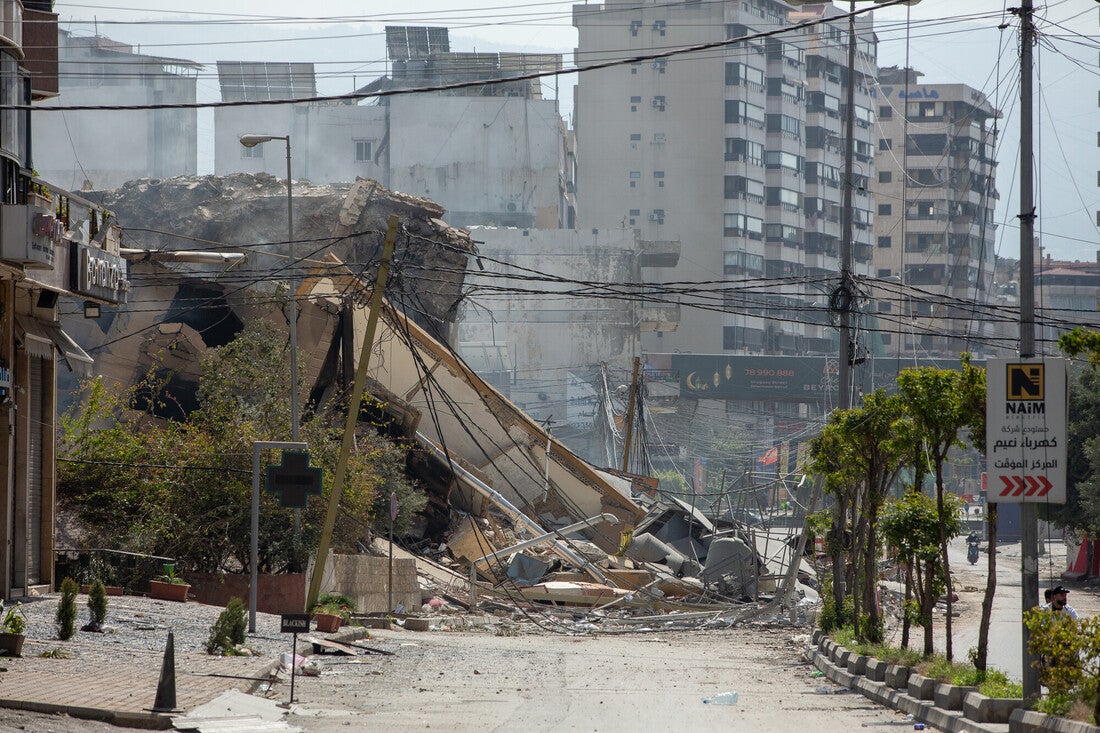
The 7.4-magnitude earthquake that hit the Pazarcık district of central Kahramanmaraş, Turkey, on 6 February 2023 affected 11 provinces and had a direct impact on the lives of over 9 million people, including women and children [7]. The earthquakes in question caused major destruction in 11 provinces in total and took their place among the disasters that have no equal in recent history in terms of their intensity and area. Indeed, more than 50 thousand people lost their lives and more than half a million buildings were damaged as a result of the earthquakes. In this disaster, social sectors such as housing, education, health, employment, environment, infrastructure sectors including drinking water and sewage, municipal services, energy, transportation, communication and economic sectors such as agriculture, mining, manufacturing industry and tourism suffered serious damage. In addition, another problem is that the region is experiencing a winter of an intensity that has not been seen in recent times.
In this study, covering the first six months after the major earthquake, the difficulties experienced by pregnant women were discussed with reference to the literature.
The study highlighted the challenges pregnant women faced in ensuring basic life necessities such as housing, heating, clothing, nutrition, and access to clean water, sanitation, and hygiene in the aftermath of the earthquake. Despite more than six months passing since the disaster, insufficient provision of safe temporary housing, clean water, and adequate sanitation facilities persist as fundamental needs [7, 13, 14]. Current literature indicates a delayed arrival of temporary shelter, food, and non-food assistance to vulnerable groups following natural disasters [1, 15, 16]. Inadequate food supplies, limited access to clean water, absence of personal hygiene items, and insufficient toilet and hygiene facilities in temporary shelters contribute to malnutrition and poor hygiene, particularly among pregnant women in affected areas [17]. In this context, malnutrition among pregnant women can lead to serious health issues such as anemia, infections, weight loss, and premature birth, while also posing risks of developmental delays and mental retardation in infants [18]. Furthermore, essential nutrients crucial for pregnancy, like folic acid, which is necessary for fetal neural tube development, should be consumed or supplemented under medical guidance [19]. These findings underscore the imperative to prioritize the needs of pregnant women in post-earthquake emergency relief and recovery efforts, emphasizing the crucial role of healthcare personnel in this process.
In literature, addressing the challenges faced by earthquake victims necessitates the swift provision of accessible and effective healthcare services by medical professionals to prevent disease outbreaks. Additionally, maintaining hygiene standards in communal shelter areas is vital in preventing the spread of epidemics [3, 20, 21]. Consequently, the rapid assignment of healthcare personnel to earthquake-affected zones and ensuring hygienic conditions in communal shelters are essential steps in disease prevention 21. Following the earthquake, the country’s administration reported the deployment of healthcare personnel to the affected areas and implemented measures for epidemic prevention in the affected provinces as part of the emergency response [3, 20].
During disasters, pregnant women may face physical challenges. Tasks like evacuation, finding shelter, cleaning up, and accessing aid can place added strain on them. Remaining inactive for prolonged periods can also pose health risks, including hypertension, gestational diabetes, and conditions like thrombosis, varicose veins, and edema [22]. Our research similarly revealed that pregnant women initially experienced restricted mobility, confined to cars during the early days of the earthquake, followed by excessive movement in temporary shelters. It is crucial to educate pregnant women about hygiene and other relevant issues, along with counseling them on the importance of being cautious.
During natural disasters, vulnerable populations, such as pregnant women, children, and the elderly, require special attention to protect their health. Physiological and psychological changes during pregnancy make these groups particularly susceptible to physical trauma in such situations [1, 15, 23] Following events like earthquakes, concerns arise about the lack of hygiene in crowded shelters, which can exacerbate health issues [3, 14, 24, 25]. Insufficient hygiene and unhealthy environmental conditions during pregnancy can lead to infections. In Turkey, 3.1% of maternal deaths between 2015 and 2019 were directly caused by infection, including urogenital system infections during pregnancy, sepsis due to delivery, puerperal sepsis, puerperal urogenital system, and breast infections [13]. Additionally, the inability to maintain hygiene post-disaster and access clean water can result in health problems like diarrhea among pregnant women. Thus, providing hygiene education, ensuring access to clean water, and facilitating healthcare services in collective shelters are crucial for preventing potential epidemics and diseases in this group. Following an earthquake, inadequate hygiene conditions can increase infection rates in pregnant women, increase the risk of premature delivery, and contribute to low birth weight in infants. Furthermore, the compromised infrastructure post-disaster poses a direct threat to maternal health, facilitating the spread of waterborne pathogens, vectors, heavy metals, hazardous chemicals, and toxic pesticides [26]. Exposure to harmful substances post-disaster can result in significant short- and long-term issues for pregnant women, including congenital anomalies, low birth weight, and premature birth.
Informing pregnant women about the significance of high fever as a warning sign for obstetric infections during disasters is crucial. Moreover, there should be an effort to enhance hygiene practices, ensure widespread administration of tetanus vaccine prophylaxis among pregnant women, and implement measures to prevent hospital-borne infections.
Ensuring pregnant women receive and maintain their antenatal follow-up is important for preventing pregnancy complications and reducing maternal mortality rates [13, 25]. The devastation caused by the earthquake resulted in the destruction of numerous public and private hospitals as well as primary health centers [14, 25]. This has severely hindered the organization of preventive and therapeutic services provided by these centers in the aftermath of the earthquake’s acute phase [14].Reports indicate that the demand for healthcare services persists during the initial six months post-earthquake [25]. Additionally, economic challenges such as financial loss and unemployment exacerbate the difficulty of accessing healthcare services. Consequently, pregnant women may face barriers to timely and adequate prenatal and postnatal care, birth control, infection prevention, and emergency response due to factors such as the stress induced by the disaster, evacuation processes, recovery endeavors, and economic constraints [27].
The World Health Organization (WHO) advocates for a minimum of eight antenatal care visits [23]. According to the American College of Obstetricians and Gynecologists (ACOG), the recommended schedule for prenatal check-ups in an uncomplicated first pregnancy includes appointments every four weeks until 28 weeks of gestation, followed by visits every two to three weeks between weeks 29 and 35, and weekly appointments after 36 weeks, totaling 12–14 visits [25]. In Turkey, a minimum of four antenatal care visits during pregnancy are recommended [13].Providing personalized and high-quality care to expectant mothers by midwives at each antenatal contact, including emotional and psychosocial support, has been shown to reduce perinatal mortality rates. Furthermore, WHO has reported that there is no decrease in perinatal mortality rates with just five antenatal care visits. Regular health checks, antenatal care, emergency medical assistance, and access to healthcare services for pregnant women post-disaster are vital for preventing perinatal deaths. However, despite reports indicating that around 30,000 pregnant women, 25,000 postpartum women, and 13,000 births occurred after the earthquake [28]. pregnant women in the study expressed challenges in accessing antenatal follow-ups and tests, listening to their babies’ heartbeats, finding suitable birthing environments, and coping with fears of premature birth. While health institutions swiftly mobilized and provided crucial services after the [29]. delivering these services to all individuals proved challenging, highlighting the need to reinforce healthcare infrastructure and readiness for earthquake-related risks.
The disruption of pregnant women’s routines, loss of relatives, and challenges faced in shelters post-disaster can significantly impact both their mental well-being and physical access to healthcare services throughout pregnancy, childbirth, and the postpartum period [28, 30]. These adverse conditions often result in inadequate weight gain during pregnancy, decreased hemoglobin levels, and adverse birth outcomes (preterm birth, abortion, stillbirth, etc.) [7, 30, 31] Pregnant women living in temporary shelters post-disaster often face physical discomforts in shelters, lack of privacy, challenges in accessing safe areas for antenatal care, and difficulty reaching safe delivery environments, all of which intensify their stress levels [23, 32]. The stress experienced by pregnant women due to the fear of losing their homes during disasters negatively impacts their pregnancy processes, potentially leading to complications and even maternal and perinatal deaths, rendering the pregnancy journey and its outcomes unfavorable [32, 33]. Research by [34] revealed an increase in cases of preeclampsia, preterm birth, and low birth weight babies among pregnant women following hurricane disasters [34]. Emotional difficulties such as stress, fear, and anxiety were reported by pregnant women in this study. Premature births and miscarriages after earthquakes may directly stem from the stress experienced by pregnant women and the challenges they encounter in accessing healthcare services. Therefore, healthcare providers must offer post-disaster psychosocial support and counseling services, as pregnant women are profoundly affected by the psychological repercussions of natural disasters.
link