:max_bytes(150000):strip_icc()/PARENTS-pregnancy-social-media-detox-48a24b0542524e219b0ad5090848c46d.jpg "One Change I Made During Pregnancy That Saved My Mental Health")
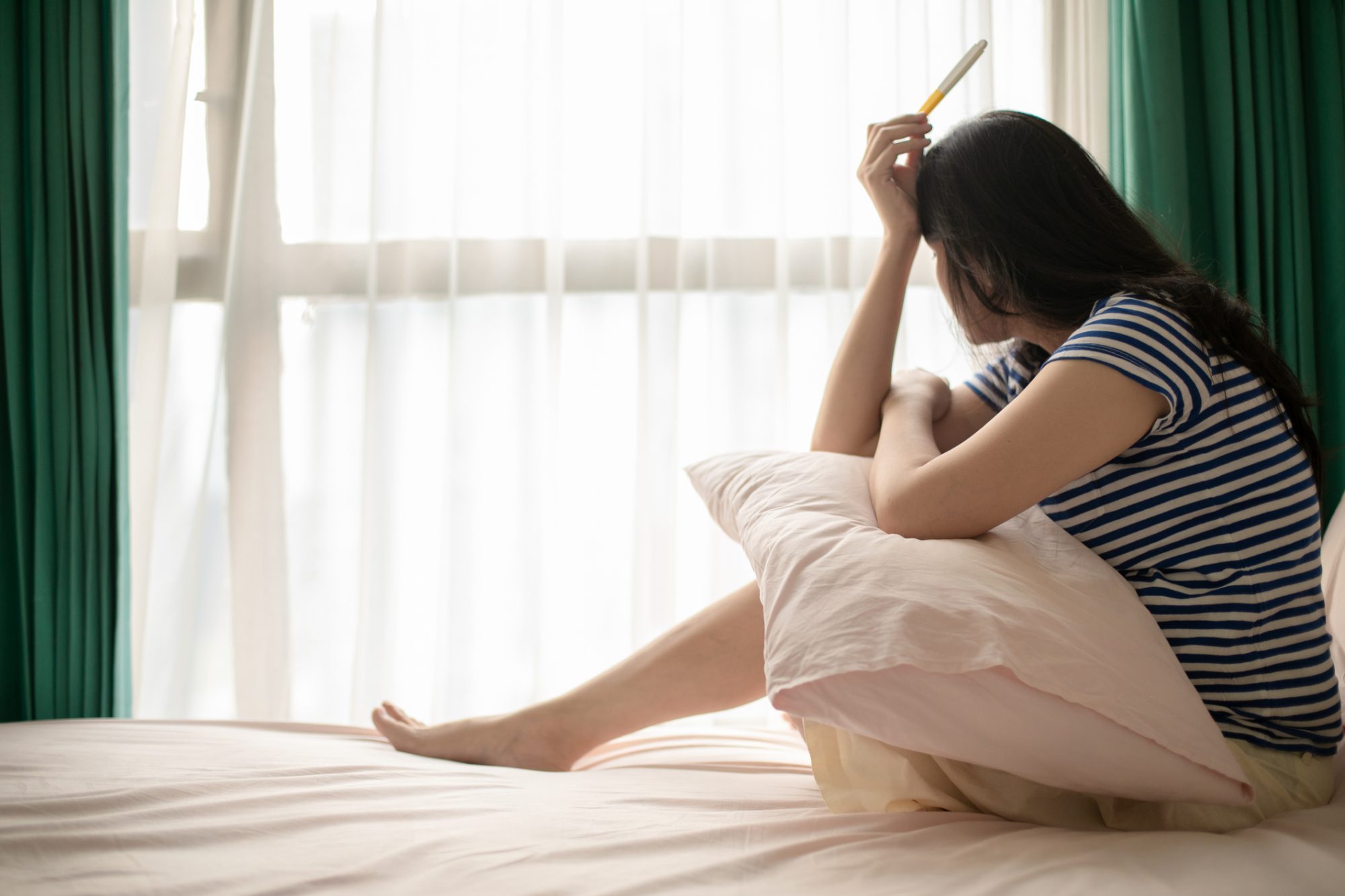
I was alone when I found out I was pregnant, standing in the bathroom early one morning and staring in joyful disbelief at those two double lines.
For the first few days, only my husband and I knew about the tiny embryo growing inside me, so new and fragile. But soon, even before we told close friends and family, Instagram knew about my pregnancy, too—not because I shared the news on social media, but because I began engaging with pregnancy-related content on the platform.
Before long, nearly every reel I scrolled through had something to do with pregnancy or babies, and these addictive video snippets often came with a healthy dose of unsolicited advice, laced with implicit judgement. I read about foods you should never eat while pregnant, exercises every expectant parent should do to protect their pelvic floor, and the best products to minimize stretch marks.
It’s only natural to be full of questions during your first pregnancy and for a while, watching these reels felt helpful. The more information I had, the more in control I felt, and I wanted to soak up as much knowledge as possible about the mysterious process unfurling inside my body.
However, as the weeks went by, all this pregnancy scrolling began to feel less exciting and more like an anxiety doom loop. For every lighthearted reel, there was an upsetting video about miscarriage or other tragic pregnancy complications—and I never knew what kind of video would be served up next.
Even the happier videos came with a cost, inviting unhelpful comparisons between myself and other moms. I wondered whether the size of my bump was “normal” and if I was doing pregnancy the “right” way compared to other people sharing their pregnancy journeys.
Scrolling through these reels was becoming an emotional rollercoaster, and I needed to step off. Around the beginning of my second trimester, I decided to stop scrolling altogether, and this social media detox changed the course of my pregnancy.
How Social Media Fueled My Pregnancy Anxiety
Six weeks in, when my son was about the size of a pea, I was already inundated with videos about all the ways I could lose him. In somber reels that popped up in my feed, people shared their experiences with ectopic pregnancy, silent miscarriage, and stillbirths. These stories are important and should absolutely be shared, and hearing people speak openly about these difficult topics can help others feel less alone.
Yet, the medium of sharing can be tricky. Instagram and other social media platforms favor quick, bite-sized videos, part of what makes them so addictive. This can result in a kind of emotional whiplash, with the tone of the videos lurching between joy and devastation.
One minute, I would be smiling at a clip of a baby’s gleeful reaction to her first taste of ice cream. Seconds later, the next reel would feature a woman telling the heartbreaking story of her pregnancy loss. Then, abruptly, back to lightness, was a video showing a newborn’s heartwarming first encounter with the family dog.
When videos popped up without warning about how it can all end in an instant—all the terrible things that can go wrong, no matter how healthy and careful you are—it was like lighting a match to the fears I already had. There was no way to prepare for these upsetting videos, and very little time to decide whether I wanted to engage with them. Scrolling from reel to reel began to feel like reaching into a bag with my eyes closed, never knowing when I might touch something inside that could sting.
Also, the sheer number of perspectives shared in these rapid-fire videos was overwhelming. I might have been scrolling alone on the sofa, but watching these clips, I was surrounded by voices, a cacophony of opinions about what I should or shouldn’t do, or feel, or look like, as a pregnant person.
Eventually, it hit me: I wouldn’t invite hundreds of strangers into my home to give me unsolicited pregnancy advice—so why was I doing this night after night on my phone?
Eventually, it hit me: I wouldn’t invite hundreds of strangers into my home to give me unsolicited pregnancy advice—so why was I doing this night after night on my phone?
My Social Media Detox
As I entered my second trimester, I realized I needed to take control of when and how I engaged with pregnancy-related content online. For my own emotional well-being, I needed to be more intentional. If I wanted to know something about pregnancy, I would seek out articles from reputable sources on that specific topic, or talk to my doctor or a trusted loved one—no more aimless scrolling.
It was hard at first to wean myself off the reels, but within a few weeks, I had stopped looking at them altogether. I achieved this shift by growing more self-aware about the emotions driving my social media habits. Whenever I had the urge to look at Instagram videos, I paused and asked myself why I was feeling the impulse to scroll.
I began to realize that these moments of reaching for my phone often coincided with a surge of anxiety about my pregnancy. When I became aware of these anxiety peaks, I figured out other ways to deal with them, whether that meant listening to music, doing some yoga, or opening up to my husband about my worries.
It was so liberating when I allowed myself to stop scrolling, and when I gave myself permission to check out of the social media world altogether. I simply did not have to engage. I cut out the reels, and I also chose not to share updates about my pregnancy in Instagram posts. If I took a “bumpdate” photo, I would message it directly to friends and family.
The scale of this social media-free existence felt more human, more intimate. It made my world smaller, in a good way. Without the chorus of strangers’ voices accompanying my pregnancy, I could hear my own thoughts more clearly, and I grew more attuned to the quiet miracle forming inside me.
link